AI Agents & Automation
Custom AI agents for your SaaS product. We build RAG pipelines, multi-agent workflows, and intelligent automation that plugs into your existing stack — not science projects.

An AI agent is an LLM-powered system that reads from your databases, calls your APIs, and takes actions within defined boundaries — distinct from chatbots, which only generate text responses without taking action. You have a product that works. Now you need it to do more — answer customer questions from your actual knowledge base, process documents without manual review, or coordinate multi-step workflows that eat hours every week. We build AI agents that connect to your existing databases, CRM, and tools through secure API integrations. RAG pipelines that ground every answer in your real business data. Multi-agent systems using CrewAI and LangChain that handle tasks end-to-end. Every agent we ship is production-grade with monitoring, guardrails, and human escalation built in — because AI that's unreliable is worse than no AI at all.
We build AI intelligence into the SaaS products we ship — RebillHub's error classification engine decides in real time whether to retry, reroute, or escalate failed payments automatically.
See how intelligent automation drives RebillHubWhy Choose AI Agents & Automation
What you get when you work with us on this.
AI Agents That Handle Real Support Tickets
Customer support agents that pull context from your knowledge base, CRM, and order history to resolve tickets with accurate, personalized responses. They escalate to humans when the situation requires judgment — not when they're unsure about everything.
RAG Pipelines on Your Private Data
Retrieval-augmented generation systems that search your internal documents, SOPs, and databases. Your AI gives answers grounded in your actual business data — not generic training data. Built with Pinecone, Weaviate, and LlamaIndex.
Integrates With Your Existing Stack
Every agent connects to your existing tools through API integrations — Slack, email, your app dashboard, CRM, payment systems. No need to rebuild your product. AI features plug in alongside what already works.
Production-Grade With Monitoring
Deployed with observability built in: token usage tracking, response quality scoring, latency monitoring, and automated alerts. You see exactly what your AI is doing, how well it performs, and where it needs tuning.
Our Process
Step-by-step approach tailored for AI Agents & Automation.
Understand Your Workflows
We map your current processes to find where AI creates the most value. Not every task needs AI — we focus on the ones that do.
Design the Solution
We pick the right approach for each problem — choosing the right models and designing how they integrate with your product.
Build & Integrate
We build the AI features and connect them to your existing systems, databases, and user-facing product.
Test With Real Scenarios
We test with your actual data and edge cases. AI needs to be reliable before it touches your users or your operations.
Deploy & Monitor
We launch with monitoring in place so you can see exactly how the AI is performing and where it needs adjustment.

Tech Stack We Use
The tools and frameworks we use to build your product.
See more case studies
 SaaS
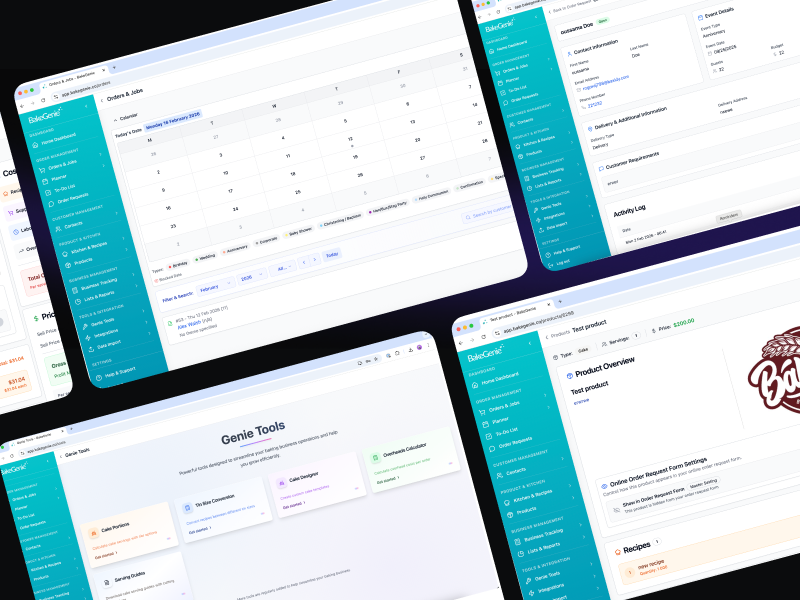
SaaSBake Genie: From Broken to 600 Paying Members
A founder came to us with an AI-built SaaS that was falling apart. Users were waiting to pay — but the product couldn't handle them. We rescued it and launched in two weeks. 600 users came on in the first week. Six months later: 600 paying members and a platform built to scale.
 SaaS
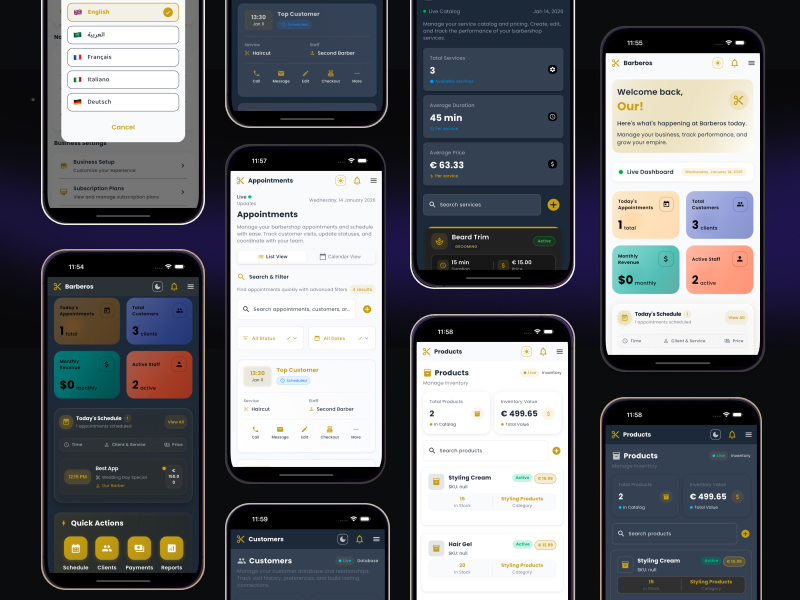
SaaSBarberos: Built From Zero to a Growing SaaS
A founder came to us with a gap in the market: small barbershops were stuck between WhatsApp chaos and overpriced salon software. We built the product, shaped the strategy, and helped launch it — from first line of code to first paying customers.
 Fintech
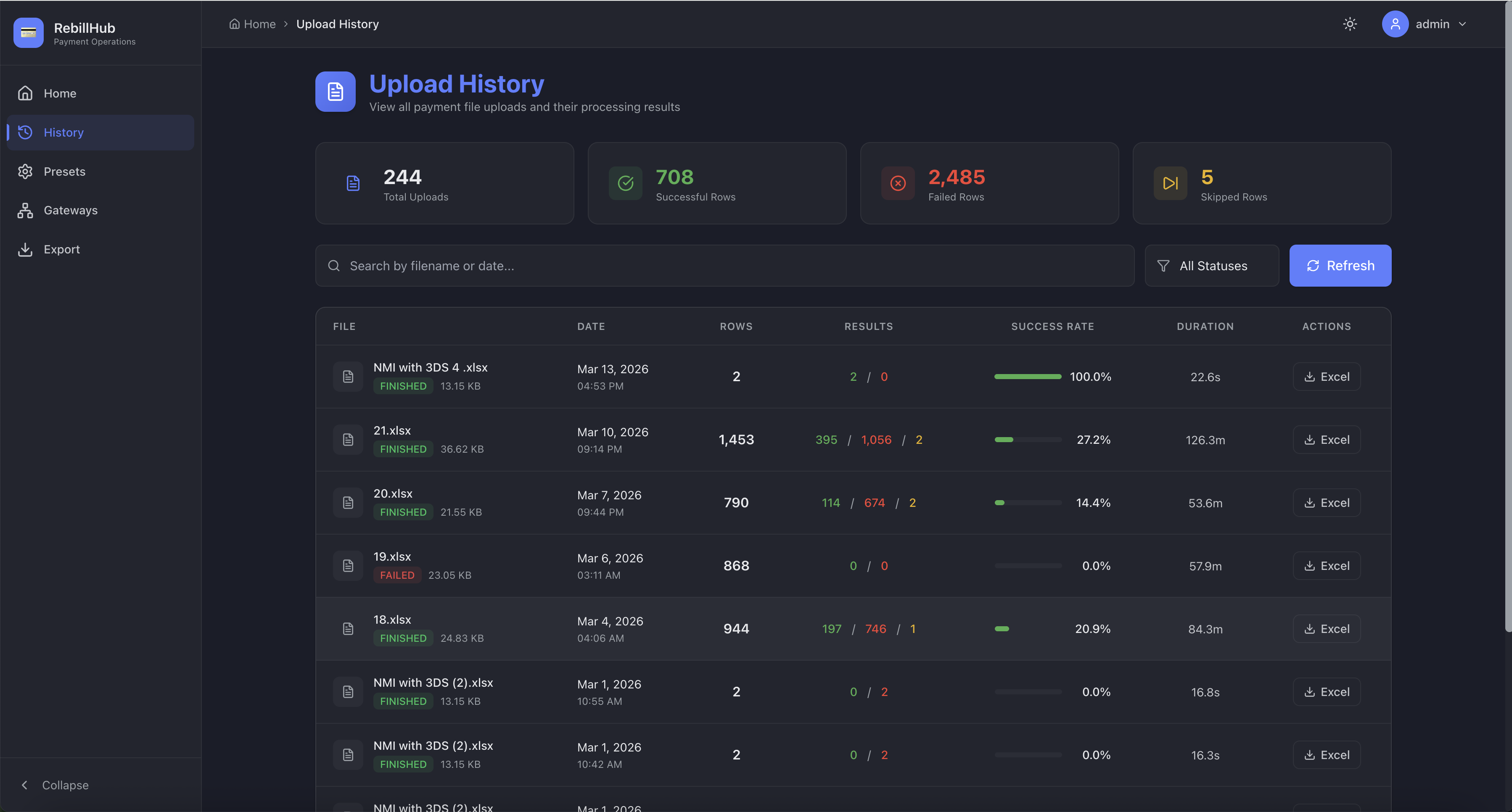
RebillHub: A Payment Engine Built From the Ground Up
A fintech founder was losing revenue to failed payments and manual processes. They needed a system that could route thousands of transactions across multiple gateways, retry intelligently, and show what's happening in real time. Nothing off the shelf fit. So we built it — concept to production in four weeks.
 SaaS
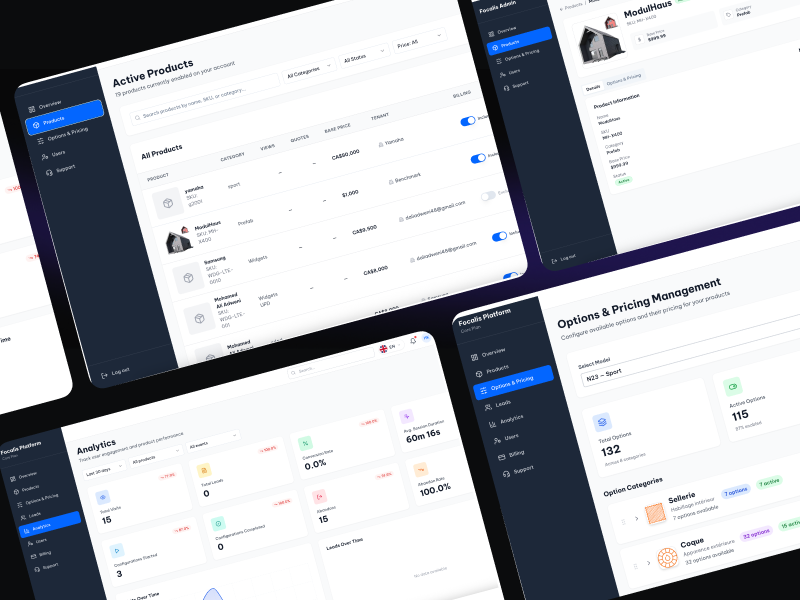
SaaSFocalis: A Multi-Tenant SaaS Platform for a 3D Configurator
A client owned a powerful real-time 3D product configurator but no way to sell it as software. We built the multi-tenant SaaS platform around it — admin portal, backend, and billing — so they can onboard and run fully isolated customers themselves, with no code changes and no vendor dependency. Delivered in about six weeks.
 AI Automation
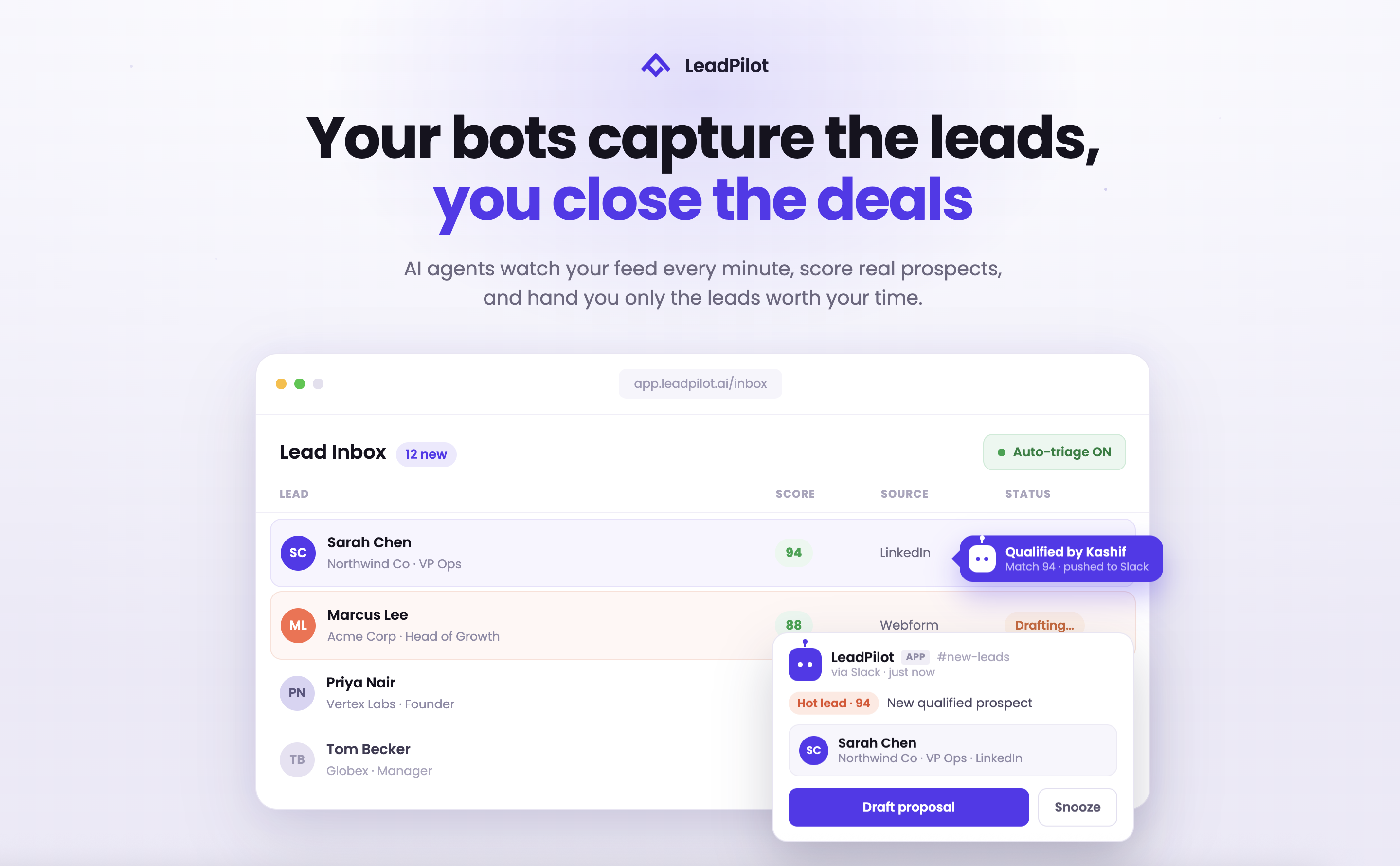
Lead-Gen Pipeline: $30K in New Contracts From Automated Triage
A B2B services firm was drowning in inbound leads — hours of daily triage, with good prospects going cold before anyone replied. We built an AI pipeline that ingests their lead feed every minute, filters the noise, scores real prospects with an LLM, and drops qualified leads into Slack with one-click proposal drafting. It cut business-development time to ~5 hours a week and drove $30K+ in new contracts in 30 days.
Other Services
Other ways we help founders ship and scale.
SaaS & Product Development
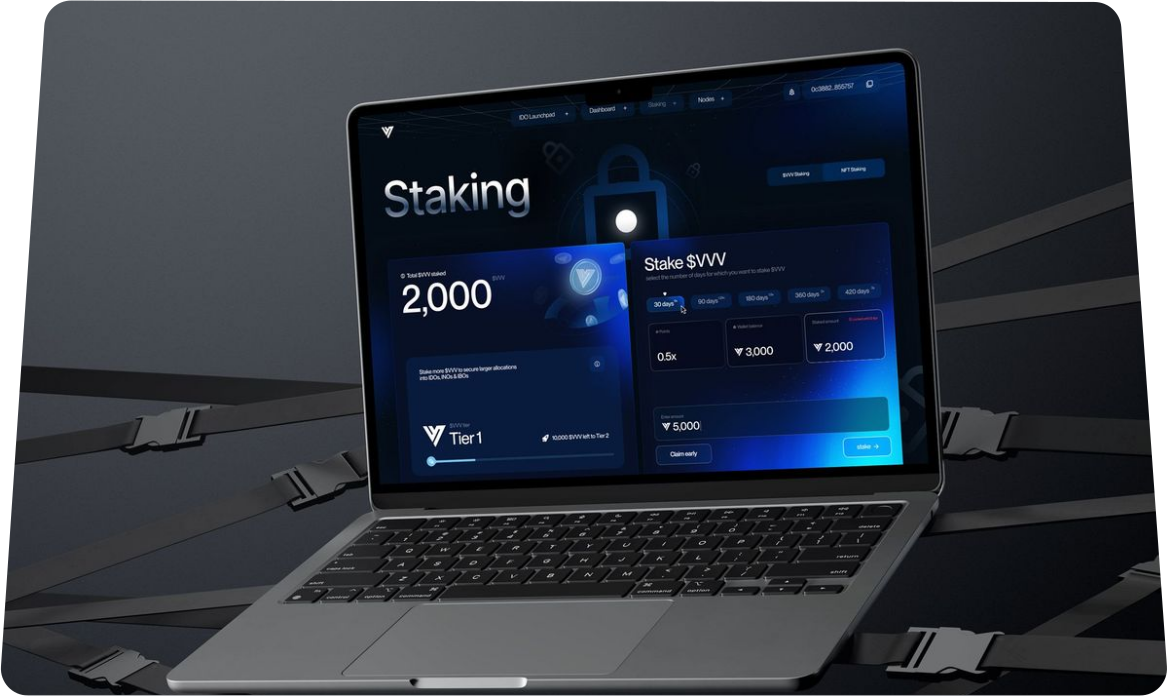
Build complete SaaS products from scratch — strategy, architecture, development, and launch. Multi-tenant platforms, mobile apps, Stripe billing, admin dashboards. 6-12 weeks to a production-ready MVP.
Product Rescue & Scale-Up
Your MVP is breaking under real users. We rescue it. Full codebase audit, stabilization, refactoring, and feature completion — typically in 4-8 weeks. Specializing in AI-generated codebases built with Cursor, Replit, or ChatGPT.
Growth Engineering Retainer
Your product launched. Now keep it growing with a fractional CTO and dedicated engineering team on retainer.

Want AI That Actually Earns Its Place in Your Product?
Tell us where AI could create real value. We'll scope a focused agent or automation that ships in weeks, not quarters.
Plan Your AI FeatureWe respond within 4 hours during business hours. No obligation.
AI & Automation FAQs
Common questions about adding AI to your product.