
Lead-Gen Pipeline: $30K in New Contracts From Automated Triage
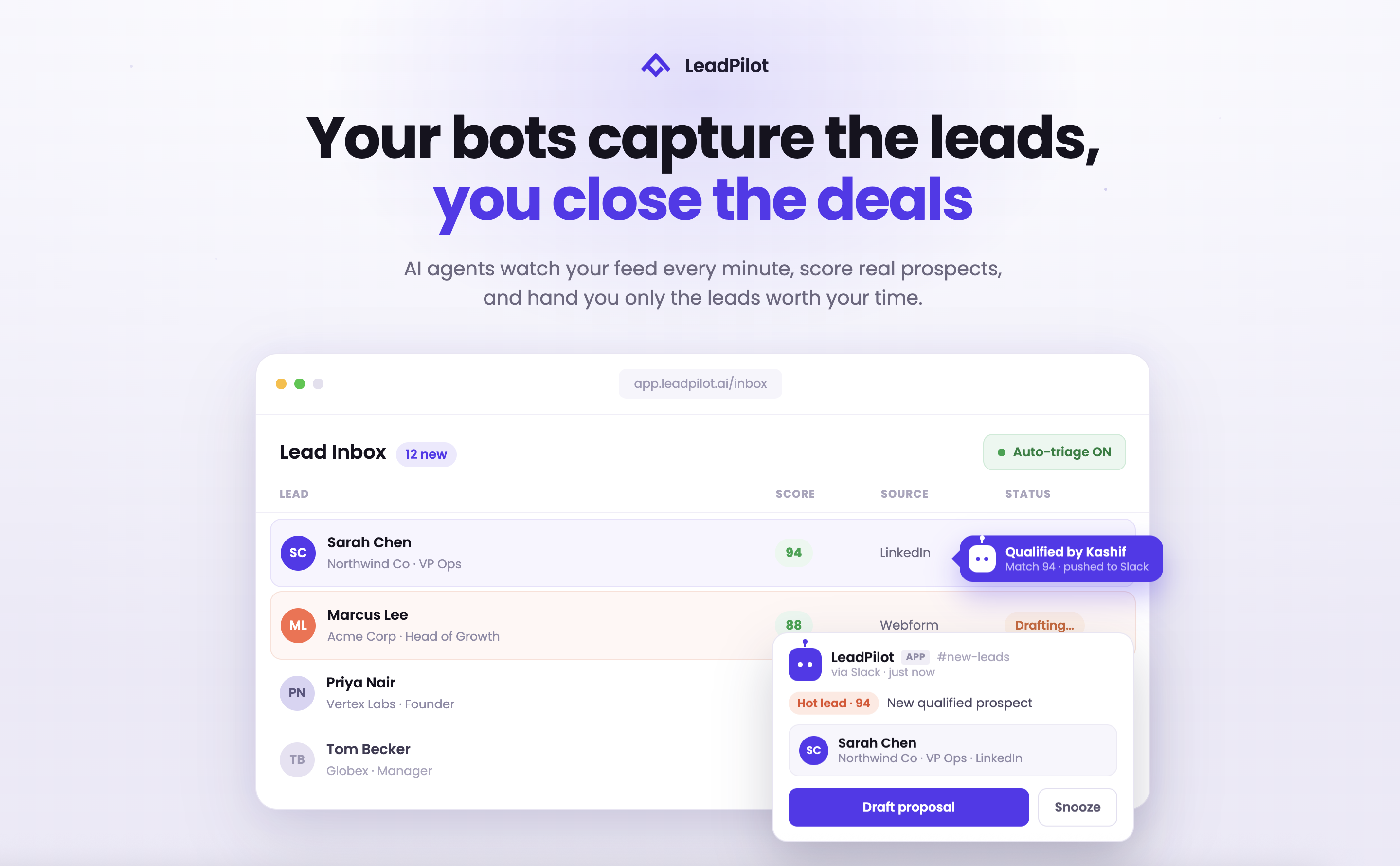
A B2B services firm was drowning in inbound leads — hours of daily triage, with good prospects going cold before anyone replied. We built an AI pipeline that ingests their lead feed every minute, filters the noise, scores real prospects with an LLM, and drops qualified leads into Slack with one-click proposal drafting. It cut business-development time to ~5 hours a week and drove $30K+ in new contracts in 30 days.
The Founder's Problem
A B2B services firm had the opposite of a lead problem — they had too many. A high-volume feed of inbound inquiries poured in daily, but the real prospects were buried under noise. Qualifying them by hand meant hours of triage every morning, and by the time someone reached a good lead it had often gone cold. They were losing winnable deals not because the work wasn't there, but because no human could read, score, and respond fast enough. They needed the triage to happen automatically — without handing a bot the keys to send things in their name.
What We Built
A funnel that kills the noise before it costs a cent
The pipeline polls the client's opportunity feed every minute. Deterministic YAML rules — industry blocklists, red-phrase filters, budget floors, spam heuristics — strip out roughly 88% of the volume for free, and a 75-pattern keyword gate keeps only leads that match the client's actual service lines. The expensive LLM only ever sees the survivors, and the client tunes every rule themselves with no code changes.
LLM scoring with a guaranteed schema
Each surviving lead is scored 0–100 by Claude against a hand-tuned 440-line rubric, using forced tool-use so the output is always structured: match score, category, engagement size, and a short reason. The provider is pluggable (Anthropic / OpenAI / Groq), prompts are cached to cut cost, and a Sonnet-to-Haiku migration we validated against the client's real decisions cut LLM spend ~3× while actually improving accuracy.
A human-in-the-loop Slack workflow
Nothing is ever sent automatically. Qualified leads post to Slack as cards — prospect spend, engagement history, budget — with three buttons: Generate Proposal, Skip, Mark Submitted. One click drafts a full proposal in the client's own voice from few-shot examples built on their past winning proposals, plus separate answers to any qualifying questions. The team edits in place and sends — sub-minute from opportunity to reviewable lead.
A system that gets sharper with use
Weekly crons ask the team for outcomes (meeting, won, ghosted) and feed them back into calibration. Offline scripts re-score labeled leads against the live rubric and compare the model to the client's actual pursue/skip behavior — a revealed-preference check that once caught and reversed a backwards prospect signal. Self-healing OAuth, 48h dedup, idempotent clicks, and 24h raw-data purges keep it production-grade and safe under retries.
The Results
Business-development effort dropped to about five hours a week — the team now reviews pre-scored cards and edits ready-made drafts instead of trawling the feed. In a single 30-day window the pipeline drove $30K+ in new contracts: 292 proposals sent, 82 opened, 22 discovery calls, 4 new clients, including two contracts over $15K each. More than one in four opened proposals turned into a discovery call — because the voice and project references are the client's own, a drafted proposal performs like a hand-written one. And because outcome tracking recalibrates the rubric against deals that actually close, the system keeps getting sharper the longer it runs.
Why This Project Matters
This is what a real AI agent looks like in production — not a demo that breaks on the second prompt. The hard part wasn't calling an LLM; it was everything around it: a deterministic funnel so the model only scores what's worth scoring, forced-schema output so downstream code can trust it, a human in the loop so nothing embarrassing gets sent, and a feedback loop so the scoring tracks reality instead of drifting. We treated the client's pipeline like our own revenue — measured, calibrated, and engineered to recover deals, not just process data.
The LLM Only Sees What's Worth Scoring
See Technical DetailsIt's easy to throw every lead at a model and burn money. We did the opposite: deterministic YAML filters and a 75-pattern keyword gate remove ~88% of the volume before any LLM call, so Claude only scores genuine prospects. Forced tool-use guarantees a structured score every time, prompts are cached, and we migrated Sonnet to Haiku after validating it scored better on the client's real data — cutting LLM cost roughly 3× while still covering every surviving lead.
A Feedback Loop That Keeps the Scoring Honest
Most scoring systems drift the moment they ship. This one is audited: a 900-line prompt changelog records every rubric change as observation → change → verification, and offline calibration re-scores labeled leads against the client's actual pursue/skip decisions. That revealed-preference check caught a backwards prospect signal and reversed it. Weekly outcome tracking feeds real won/lost results back in, so the rubric tracks the deals that actually close — not a static guess.
Other Projects
 SaaS
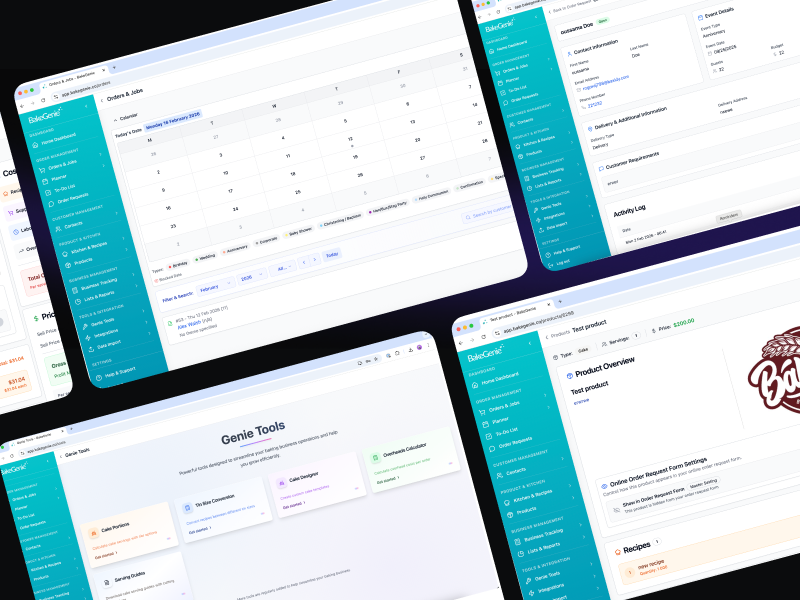
SaaSBake Genie: From Broken to 600 Paying Members
A founder came to us with an AI-built SaaS that was falling apart. Users were waiting to pay — but the product couldn't handle them. We rescued it and launched in two weeks. 600 users came on in the first week. Six months later: 600 paying members and a platform built to scale.
 SaaS
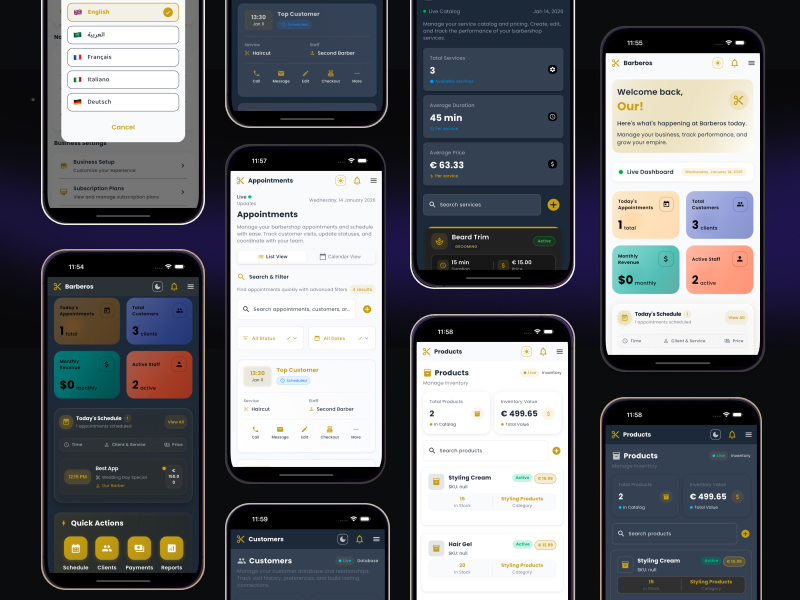
SaaSBarberos: Built From Zero to a Growing SaaS
A founder came to us with a gap in the market: small barbershops were stuck between WhatsApp chaos and overpriced salon software. We built the product, shaped the strategy, and helped launch it — from first line of code to first paying customers.
 Fintech
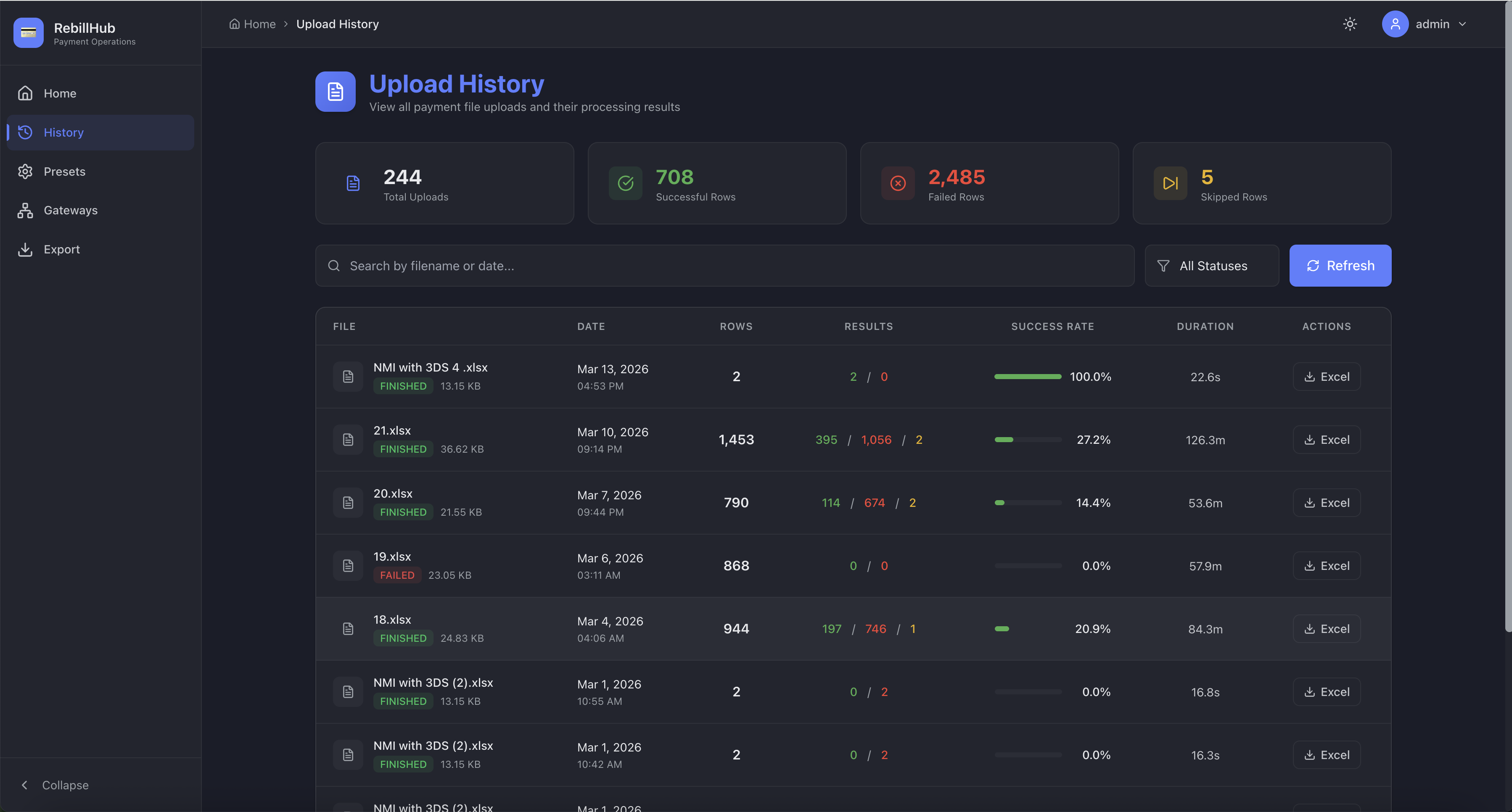
RebillHub: A Payment Engine Built From the Ground Up
A fintech founder was losing revenue to failed payments and manual processes. They needed a system that could route thousands of transactions across multiple gateways, retry intelligently, and show what's happening in real time. Nothing off the shelf fit. So we built it — concept to production in four weeks.

Ready to Build, Rescue, or Scale Your Product?
Tell us about your project. If it's a good fit, we'll schedule a strategy session.
Let's TalkWe respond within 4 hours during business hours. No obligation.
Questions About Our Work
Common questions from founders exploring our portfolio and considering working with our team.